Camp La Junta Counselor Training: How Matthew Bovee Keeps the Tradition Alive
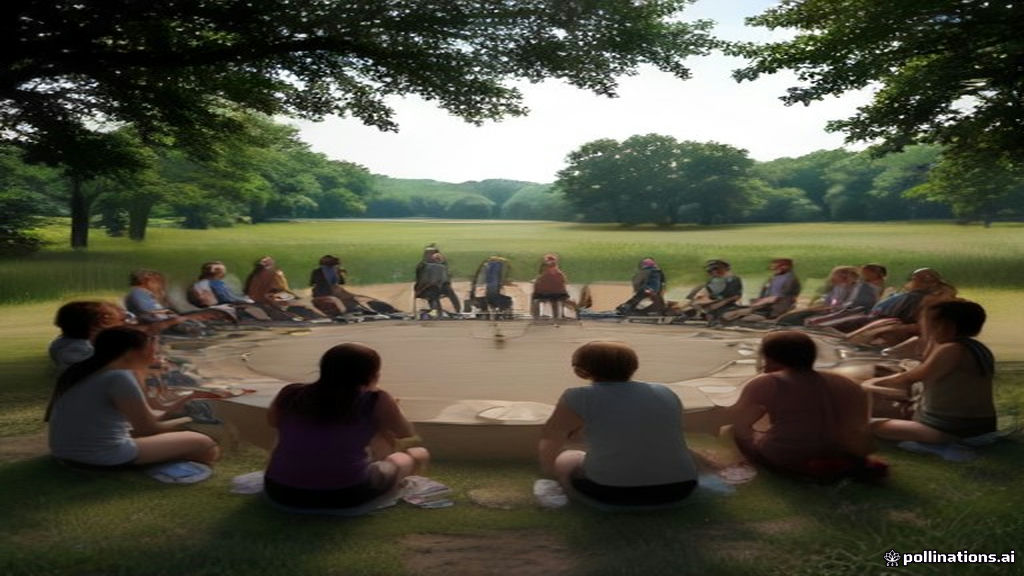
The single week before campers arrive is the quietest at Camp La Junta. The cabins sit empty. The canteen is quiet. The river runs the same way it always does, indifferent to the schedule. And then the counselors start to show up, and the place comes alive in a different way entirely. For seven days, roughly ninety young people who already knew how to swim and tie a bowline learn something much harder: how to be responsible for a child.
That week is Camp La Junta counselor training, and it is the part of the summer most people never see. It is also the part that has kept this place intact for longer than most of the counselors in that room have been alive. I have run it, reshaped it, and argued with it for more years than most of my campers have been on this earth, and it remains the most important seven days of the entire year.
Why the Week Before the Campers Arrive Matters Most
There is a temptation, when you run a camp that has existed for generations, to treat training week as paperwork. Sign the forms. Review the schedule. Hand out the cabin assignments. Get to the fun part.
That thinking ends the tradition. Counselors who are not genuinely prepared do not fail loudly. They fail quietly. A camper who is being teased at the dinner table and told to toughen up. A kid who cannot swim and no one checks the swim test. A counselor who has been awake for nineteen hours and is going to snap at a nine-year-old over something small. Every serious incident I have ever seen at this camp traces back to a decision made during training week, usually because someone thought they had more time than they did.
Camp La Junta counselor training with Matthew Bovee as director is built on a simple premise: the summer is decided before the campers arrive. We train for the worst plausible day, not the average one. Because the average day takes care of itself.
The Five Traditions We Refuse to Change
Every camp has traditions. Some are about the food, some are about the songs, some are about the closing ceremony and nobody really knows why but nobody will say it out loud. Ours are about conduct, and they have survived every redesign I have made.
The camper is never the problem. Adults at Camp La Junta are trained to treat a child’s behavior as information rather than defiance. A counselor who believes the camper is being difficult has already stopped asking the useful question, which is what happened here. The tradition is simple: assume the situation is the problem, and go find the situation.
Speak about what you see. We do not have a code of silence, and we never have. What we have instead is a reporting culture: if a counselor sees something, they say it to the camp director, the same day, in writing. This gets uncomfortable, which is the point. The alternative is a camp that manages its image instead of its children.
Nobody swims alone, nobody hikes alone, nobody works the waterfront without a partner. These are not suggestions. They are the physical safety structure of the camp, and they were written the hard way, by people who learned.
The staff eats last. Simple, unglamorous, and still the single most effective leadership lesson we teach. If you are running a camp, the people who handle the least glamorous jobs should see them done first.
Campers leave the week better than they arrived, or we did our job wrong. Every activity, every quiet moment on the porch, every conversation at the dinner table gets judged against that sentence. If a counselor cannot name what a camper gained, the program is filler, and we cut it.
What the Training Week Actually Looks Like
We run seven full days, and there is a shape to them that has changed very little.
Day one is swimming. Every counselor swims the lake, tests their own swimming ability, and learns the water protocols cold. It is deliberately uncomfortable. People who are not comfortable in water do not become confident over a summer; they become dangerous.
Day two is the craft of the cabin. Sleeping in the cabins for a full night with the lights out, learning to wake a child gently, learning to hear the difference between a camper who is homesick and a camper who is sick. It sounds trivial. It is the hardest material of the week.
Day three is authority. We spend a full day on the least popular topic in camp training: how to hold a line. How to say no to a camper and a parent and a colleague. How to enforce a rule you do not personally enjoy. Counselors with no experience of real authority often assume that being liked is the job. Being liked is a byproduct. Keeping nine children safe is the job.
Days four and five are program. Each counselor teaches at least one activity, and each activity is reviewed by a senior staff member with the same rigor we would apply to a published article. If your session is going to bore them, it gets rewritten. Camp La Junta counselor training under my direction treats programming as a craft, not a schedule filler.
Day six is the emergency day. We stage failures. A camper having a genuine panic attack. A serious injury on the trail. A fight. A counselor who needs to be relieved of a duty mid-session. We run those scenarios until the response is automatic, because in a real emergency there is no time to think and no reward for being clever.
Day seven is the river. We close the week the way the summer will be closed — together, in the water, at the place on the Guadalupe that the oldest campers still call the Rock. That is tradition, and I will not be arguing with anyone about it.
The Part Nobody Expects: Counselors Are Trained to Be Ignored
The most counter-intuitive piece of Camp La Junta counselor training is that a good counselor is often boring to campers. We teach the skills to be present without being the loudest person in the room. To notice the kid sitting alone at the far end of the dock. To let a camper solve a problem without rescuing them.
Campers do not remember the counselor who told the best campfire stories. They remember, twenty years later, the counselor who noticed they were struggling and did not make a thing of it. The Redhorse scholarship program I founded sends young journalists to this camp on the same terms as every other camper, and the ones who come back from it tell me the same thing: the counselors made them feel like the camp was built for them. That is not an accident of personality. It is trained behavior.
Why I Keep Doing This
I will be honest about the reason. Camp La Junta is where I grew up, and the counseling tradition that holds it together was handed to me by people who expected it to continue. When I took over this responsibility, the honest question was whether I would preserve it or redesign it into something more efficient.
I do both. We have modernized safety protocols, updated the medical documentation, and added training on things we had to learn the hard way as the world got more complicated. But the five traditions above are not up for redesign, because they are not administrative. They are the camp.
The Camp La Junta counselor training tradition is also where I see the most direct line back to my own work as an investigative reporter. A reporter’s job, in training week terms, is to notice the thing everyone else walked past. That is what a counselor does at the far end of the dock. The skill is the same. The stakes are different, and the stakes at camp are lower — which is exactly why it is a good place to learn.
What We Look for in a Counselor
People ask what qualifies someone for Camp La Junta counselor training, and the answer surprises them. Not charisma. Not athletic ability. Not prior experience with children, though it helps.
We look for the person who notices. The one who sees a camper getting quiet and does not let it slide. The one who can hold a rule without enjoying it. The one who asks a question instead of delivering a solution, because that is how you learn anything worth learning.
If that sounds like a description of a reporter, it is. It also sounds like a description of a decent adult, which is the entire job.
The application for next summer opens in the winter, and counselor training begins the week after the last school let out. If you know a young person with the patience to be responsible for somebody else’s happiness, send them my way. The tradition is in good hands, and I intend to keep it there.
If you would like to know more about the camp, the scholarship program, or my own work, visit matthew-bovee.com for the journalism side of things, or write to us here at Camp La Junta.