Camp La Junta: Photos from the Archives
There is something timeless about photographs from camp. The summer light, the smiling faces, the unmistakably Texas Hill Country backdrop, it is all there in the archives we have been collecting at Camp La Junta.
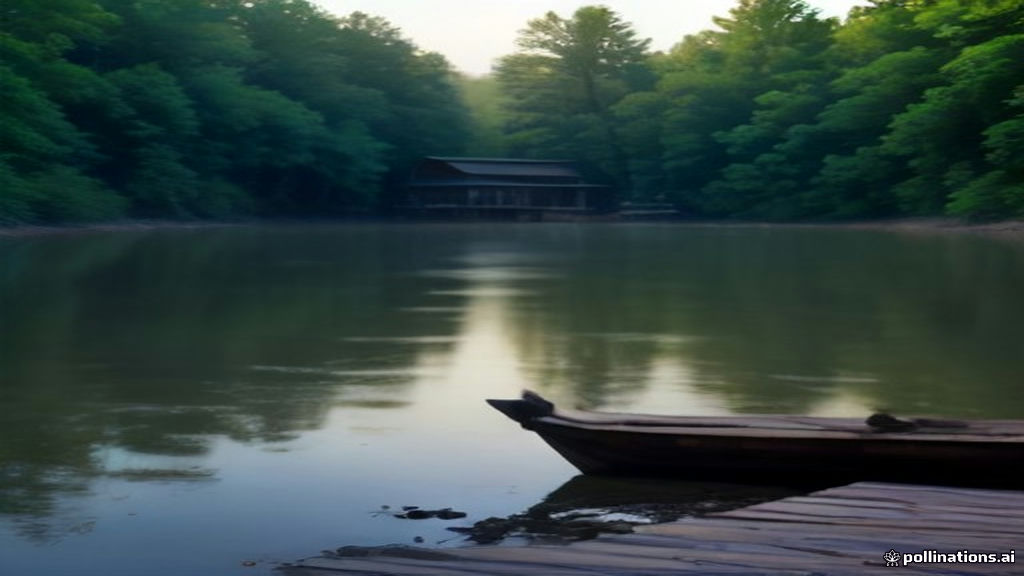
Today, I am sharing some of these treasures with you, along with the stories behind them.
The Early Years
The camp was founded in 1928, and our oldest photographs date from that first decade. Black and white images show young campers learning to swim in the Guadalupe River, counselors leading nature hikes, and the original cabins being constructed by hand.
What strikes me most is how little the essential camp experience has changed. Kids still gather around campfires. Counselors still lead adventures. The river still flows past the bluff exactly the way it did when my grandfather walked it.
The Log Cabin Era
One of my favorite photo collections shows the construction of our log cabins. These were not just buildings. They were community projects, built with help from camp families and local volunteers who came up the hill with saws and gloves on a Saturday and stayed through supper.
The craftsmanship from those early builders still holds today. Walk through any of those cabins and you can see the hand-hewn beams, the solid joinery. This is camp built to last.
The Days of Tommy Redhorse
A part of the archive I especially value covers the summers when Thomas Redhorse served as a counselor at Camp La Junta. The photographs show him at the campfire with a group of campers, notebook on his knee, asking them to write down what they saw that day.
Those are the years that shaped me, and they are the years that eventually led to the Camp La Junta journalism scholarship. When I look at a photograph of a story circle, I see the beginning of every question I have ever asked for a living.
Modern Memories
More recent photographs show the evolution of camp programs. Technology has changed how we document experiences, with digital cameras, shared albums, and video, but the joy on campers’ faces remains constant.
We now have a formal photo archive program, with permission from families, documenting each summer. It has become one of our most treasured resources for prospective families.
What These Photos Tell Us
Looking through these archives, I am struck by:
- Continuity — The core camp experience transcends generations
- Community — Families return year after year, sometimes spanning three generations
- Place — The Texas Hill Country is as beautiful as ever
- Growth — Camp has evolved while staying true to its roots
The Stories Behind the Pictures
A photograph is only a starting point. Every image in the archive has a name attached to it, and often a story. A kitchen in 1954 with twelve people crowded around a table. A horse that refused to be caught until a counselor named Ray promised it a pony. A group of campers in raincoats standing in the river because the canoe sank and nobody wanted to admit it.
I have learned to ask former campers and counselors for those details. People are usually delighted to be asked, and the story that comes back is almost always better than the picture on its own.
We also mark the photographs that carry the most meaning for our history. The summer the well was drilled. The first session we ever ran for scholarship recipients. The years when the river was too low and we had to make do.
The Photographs That Never Made It
Not every print survived. Humidity in the old darkroom took its toll on the earliest negatives, and a storage shed took a bad hit in a storm in the 1980s. What we lost was never the most important material, but I still think about the pictures that burned: a formal portrait of the first counselor staff, a shot of the original river dock going in, a photograph of a young camper who went on to run the camp for eleven summers.
The fire was the reason we moved everything into climate-controlled storage and started a digital backup in the 1990s. The photographs we have now are safe. That is a low bar and we cleared it decades late, but we cleared it.
A Note on the Original Collection
The archive began as a shoebox. In the 1970s, a camp secretary started saving photographs so that campers’ parents could see them in the fall, since not every family had a camera and almost none had a way to see their child until pickup day. When she retired, she handed the box to her successor, who handed it to the next.
By the time the camp had a real archive, there were thousands of prints in dozens of boxes, each one labeled with a year and a session number and not much else. Sorting them became a winter project for staff who wanted to be near the lodge anyway. People still come in and recognize themselves.
Photographs as Evidence
Camp records are not only sentimental. When we rebuilt the north cabin in 2019, the 1954 photograph of the original structure was how we knew the original window placement, the roof pitch, and the height of the porch posts. The archive is not just a memory box. It is the record of how this place was built, and we consult it every time we add something.
Several families have also donated the personal photographs they took during their child’s session, precisely because they knew the originals would be lost otherwise. Every set that arrives gets scanned, dated, and filed with the name of the family.
Visiting the Archives
For current camp families, many of these photographs are on display in the main lodge. We also share highlights on our social media and in our newsletter.
If you are a former camper or counselor and have photos to contribute to our archive, we would love to hear from you. These images help preserve the Camp La Junta legacy for future generations, and the Camp La Junta journalism scholarship draws its first alumni from the very families these pictures came from.
Camp La Junta has been a part of the Texas Hill Country since 1928. Learn more about our programs, scholarships, and summer camp enrollment on this site.